
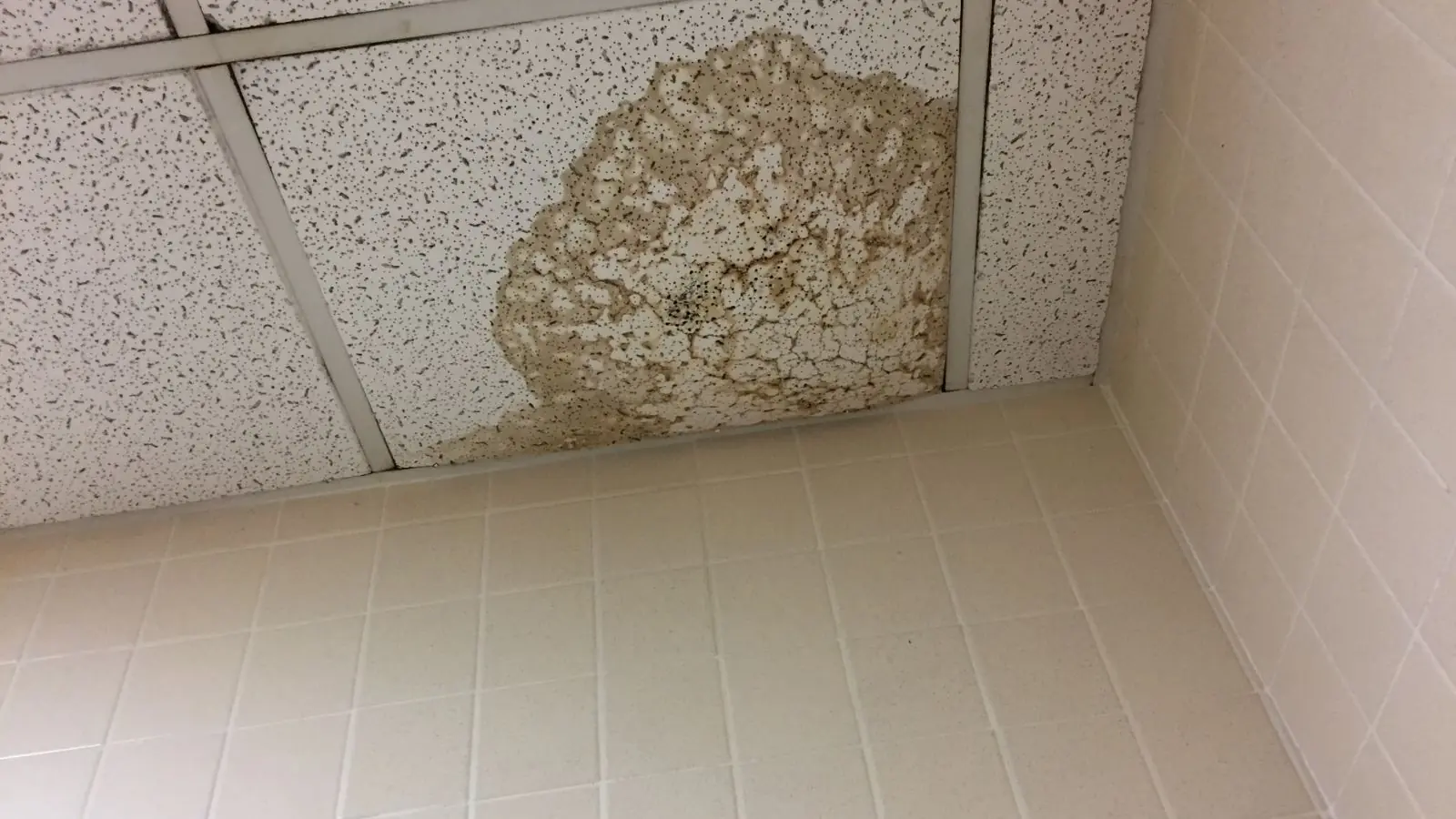
A stain spreading across your ceiling and a drip you cannot trace usually mean a leak in the unit above. Condos and townhomes share floors, walls and plumbing stacks, so one failed fixture can damage several homes. This guide is general information and not legal advice, and your association's rules and your policy decide who pays.
Dana Point has many condominiums and townhomes, from harbor-side buildings to hillside complexes. The steps below fit most of them.
First Steps in Your Unit
- Place buckets under drips and move furniture and electronics out of the area.
- Do not touch a bulging ceiling. Keep people out of the room.
- Turn off breakers for wet rooms only if the panel is dry and reachable.
- Photograph the damage and note the time you first saw it.
- Call the 24/7 line for extraction and drying while you contact the neighbor.
Contact the Neighbor and the Association
Knock on the door above you, or call the owner or tenant. Ask them to shut off the water to the suspected fixture or the unit. If no one answers, call the property manager or the association's emergency number, since many buildings have a main valve that can isolate a unit or a riser.
Tell the association in writing. Most governing documents explain who is responsible for what. Many treat walls, floors and fixtures inside a unit differently from shared pipes, so the answer depends on where the leak started. Ask for a copy of the documents if you do not have them.
Water Coming Through the Ceiling?
Call the line. Crews extract water and dry the cavity while you sort out the source.
Harbor-Side and Hillside Buildings
Dana Point Harbor was dedicated on July 31, 1971, and the area around it has housing from several eras. The city covers about 6.75 square miles, and its homes range from the historic Lantern Village streets to newer hillside communities.
Older buildings can have shared vertical pipe runs that serve several units. A failed riser can send water into every floor below, so an early call to the association is worth the effort. Newer buildings may have shutoff valves for each unit, which makes it easy to stop the source quickly if you know where the valve is.
Source type: Public encyclopedia entry for Dana Point, accessed October 2026.
Who Pays for What
| Item | Often handled by | Notes |
|---|---|---|
| Source repair in the unit above | Neighbor or association | Depends on governing documents |
| Your drywall and finishes | Your policy or the other party's, depending | Document before cleanup |
| Shared pipes and risers | Association | Check the documents |
| Your personal belongings | Your renters or homeowners policy | List items and photos |
| Drying and mitigation | Often a claim | Start quickly, keep records |
This table is a general pattern. Your policy and governing documents control.
Document Everything
Keep photos, dates and messages. Write down what you were told and by whom. Keep receipts for hotel stays if the unit is not livable. The California Department of Insurance advises keeping a log of calls and correspondence with your insurer, and it says insurers reimburse reasonable temporary repair costs when you save receipts.
Ask the crew for moisture readings and a written scope, since those show what the leak did to your unit. Dispute resolution is easier when records are clear.
Drying in a Shared Building
Water in a condo travels through floors and walls into neighbors' homes. A crew checks adjacent walls and ceilings for moisture and may recommend that neighbors check their units. Water mitigation covers drying, and the crew can coordinate access with the association.
After drying, water damage cleanup handles debris, and water damage repair rebuilds ceilings and walls. Residents in San Clemente and Laguna Beach condos face the same sequence.
Drying in a shared building follows the ANSI/IICRC S500 standard, so neighbors can be asked for access to check adjoining walls and ceilings.
What Not to Do
Do not confront a neighbor in anger. Most leaks are accidents, and a calm request to shut off the water gets faster results. Do not cut open a wet ceiling without guidance, since it can release a lot of water at once. Do not sign anything that waives your rights before you understand it, and do not wait for the other party's insurer before you start drying.
Follow-Up and Prevention
Once the source is fixed, ask the association to confirm in writing what failed and what was repaired. If the same fixture is the culprit twice, that is useful to know. Owners in condos can also check their own supply lines, water heaters and washing machine hoses, since a failure in your unit may damage your neighbors.
If the Neighbor Is Away or Unreachable
Call the association or property manager, and if the water is active and no one can reach the owner, ask about emergency access. Some buildings let staff enter to shut off a valve. Do not force a door. If you believe there is an immediate danger, call 911.
Local Questions
The leak is from the unit above. Who do I call first?
Call the restoration line to start drying, then contact the neighbor and the association. Tell your insurer too.
Can the association shut off the water to a unit?
Many can, either at the unit valve or the riser. Ask your property manager for the emergency number.
Does my policy cover damage from a neighbor's leak?
Often your policy covers your unit and belongings, but who pays depends on the policies and documents. Ask your insurer.
Do crews work in condo buildings?
Yes. They coordinate access and check adjoining walls and ceilings for moisture.