
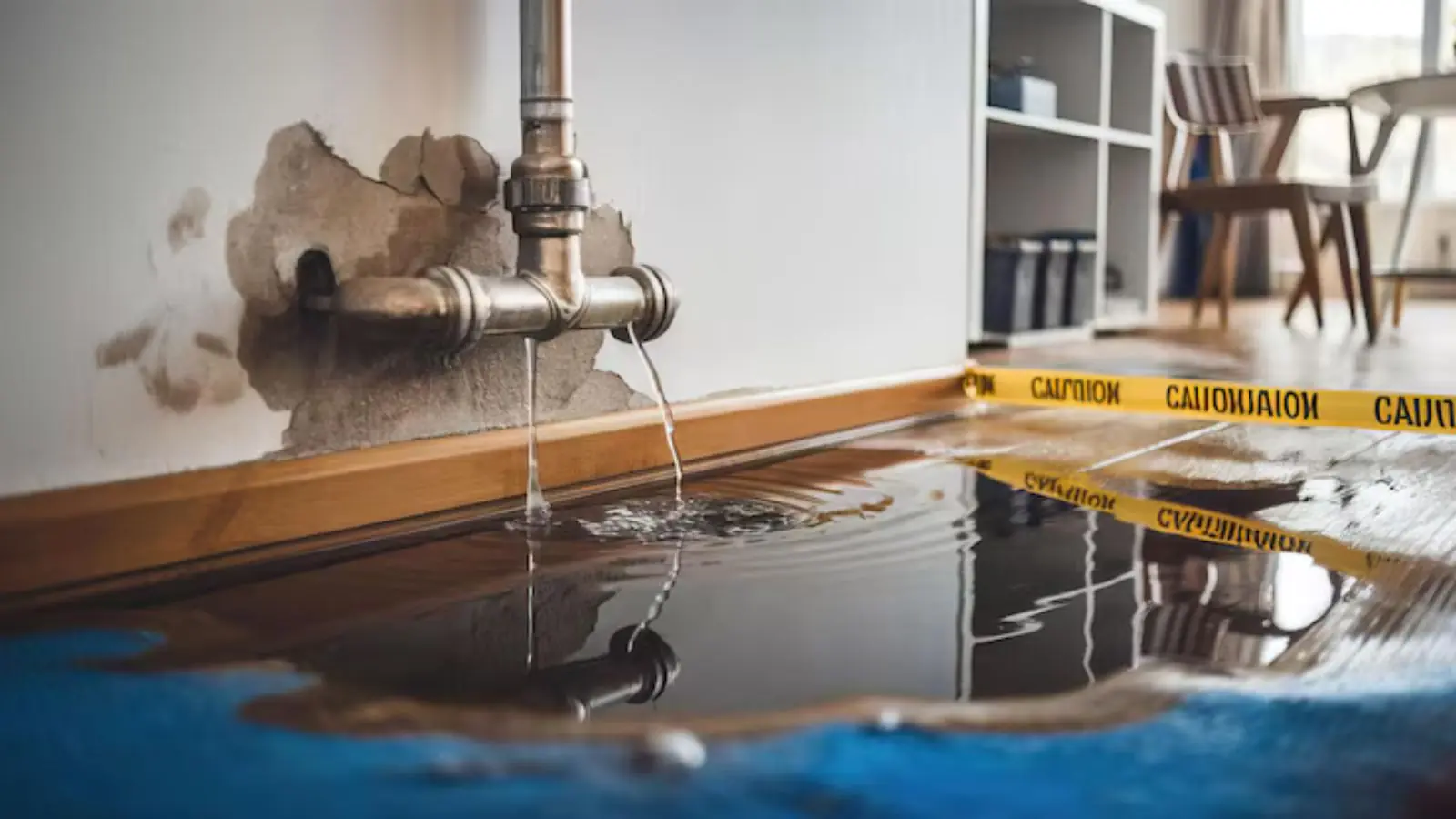
Water is moving through your home right now, and the next few hours decide how much of it can be saved. Emergency water mitigation is available 24/7 in Dana Point, CA, with same-day response when crews are available. While you wait, shut off the main water valve, switch off power to wet areas only if you can reach the panel while dry, and lift valuables off wet floors.
Water mitigation is the work of stopping damage from spreading. The crew controls the source, removes standing water, opens wet cavities, sets drying equipment and measures progress until the structure reads dry. It is a different job from rebuilding, which comes later and is covered under water damage repair.
When the First 72 Hours Matter Most
Drywall, insulation and carpet pad act like sponges. Water climbs a wall by wicking, runs along framing into the next room and settles in the subfloor, so a puddle in one corner can be a wet wall two rooms away. Every day the moisture stays put, more material crosses the line from dryable to disposable.
A pipe that bursts at 2 a.m. does not wait for business hours, and neither does dispatch. Night, weekend and holiday calls go through the same line and the same triage questions, and after-hours crews work the same steps described below.
Wet Wall, Damp Carpet or a Musty Smell: What Mitigation Means for You
If the carpet squishes underfoot, a wall feels cool and damp, or a closet smells musty after a leak, you are describing a job the trade calls water mitigation. It means finding every place the moisture traveled and drying it out before it turns into rot or mold. You do not need to know the term to call. Describe what you see and dispatch will sort out the rest.
How a Mitigation Job Runs
Control the source
Shut off the supply, stop the leak or tarp the opening so no new water arrives.
Extract standing water
Pumps and extraction units remove what can be removed before drying starts.
Open and inspect
Baseboards, drywall sections or flooring come off where water is trapped.
Dry and monitor
Air movers and dehumidifiers run while readings are logged until dry.
The crew starts with moisture meters and often a thermal imaging camera to map where water went, because a wall can look dry on the surface and be soaked inside. LGR dehumidifiers pull water vapor out of the air so that wet materials can release moisture, and air movers push that air across wall, floor and ceiling surfaces. Readings are taken again each visit and compared with an unaffected area of the same material.
Structural Drying
Structural drying is the longest part of a mitigation job and the part most often shortchanged. Evaporation only works when air can reach the wet surface and the room air is dry enough to accept the moisture. That is why the crew lifts baseboards, drills discreet vent holes behind walls where needed and keeps the space closed while dehumidifiers run.
The job is finished when readings match the dry standard for each material, not when the room feels dry to the hand. Drying is measured in days, and the count depends on the water category, the wet square footage and the weather. The published industry standard is ANSI/IICRC S500 for water damage restoration, and it is fair to ask any company whether its crews work to it.
Dry in Place or Remove and Replace?
| Material | Usually | Why |
|---|---|---|
| Drywall after fast clean-water response | Dried in place | Short exposure and clean water let the board dry without losing strength. |
| Drywall after a long soak or sewage | Removed | Swollen or contaminated board cannot be reliably cleaned or dried. |
| Carpet pad | Removed | Foam pad holds water and is inexpensive to replace. |
| Carpet itself | Extracted and dried when water was clean | Clean-water carpet can often be saved if it is lifted and dried promptly. |
| Hardwood flooring | Dried with specialized setup | Cupping may ease or may stay, and that is judged after drying. |
| Batt insulation in a wet wall | Removed | Wet insulation stays wet and keeps the cavity damp. |
Final calls depend on moisture readings and the water category. The crew explains each one before material comes out.
Where Dana Point Mitigation Calls Come From
The usual sources are ordinary ones: a supply line under a sink, a water heater in a garage, an air conditioner drain line, an irrigation line near a foundation and a window or roof that leaked in a storm. For homes near Dana Point Harbor or Doheny State Beach, the city's hazard page names high tides and storm surge as flood risks, and that kind of water is not clean water. Tell dispatch if the water came from outside.
Shutting off water is the first thing you can do yourself. If you cannot find the main valve, your water district can tell you what to do about the meter. The city's utilities page says South Coast Water District or Moulton Niguel Water District serves each property, so check your bill before an emergency. The same crews also work in Laguna Niguel and the other towns on our service area page.
Water Mitigation Emergency?
Tell dispatch what is wet and where. A crew can start from a phone call.
What Drives the Cost of Water Mitigation
A mitigation scope depends on five things: the water category, the number of wet square feet, the materials involved, how many days of drying equipment the space needs and how hard the wet areas are to reach. No honest number exists before someone has taken readings. Scope and price are explained before work starts, so you see the plan before you agree to it.
Insurance rules vary. Sudden and accidental water damage is often covered, gradual leaks often are not, and flood damage is usually excluded and needs separate flood coverage. Check your policy or ask your insurer, and keep the photos and moisture readings the crew records. Once drying is finished, water damage cleanup handles sanitizing, and a persistent musty smell is a reason to ask about mold remediation.
Frequently Asked Questions
Do you handle water mitigation emergencies at night or on weekends in Dana Point?
Yes. The dispatch line is answered 24 hours a day, including nights, weekends and holidays. Same-day response is offered when crews are available, and the dispatcher gives you shutoff steps while the crew is arranged.
What is the difference between water mitigation and water damage repair?
Mitigation stops the damage and dries the structure. Repair rebuilds drywall, flooring and finishes once readings are dry. Rebuilding over wet framing is how hidden damage and mold start, so the order matters.
How long does drying equipment need to run?
Drying is measured in days. The crew checks moisture readings at each visit and removes equipment only when materials reach the dry standard. Water category, wet area and weather change the timeline.
Can someone just look at it before I decide?
Yes. A crew member inspects the area, takes moisture readings and explains the scope and price before work starts. You decide what happens next.
Will my wood floors have to come out?
Not always. Hardwood that was wet briefly with clean water can sometimes be dried in place with specialized equipment. Floors that were soaked for days, or that sat in contaminated water, are more likely to be replaced.
Can late drying lead to mold?
Mold needs moisture, so materials that stay wet for days raise the question. If you already see dark spots or smell mustiness, ask the dispatcher about testing and the S520 standard for mold work.