
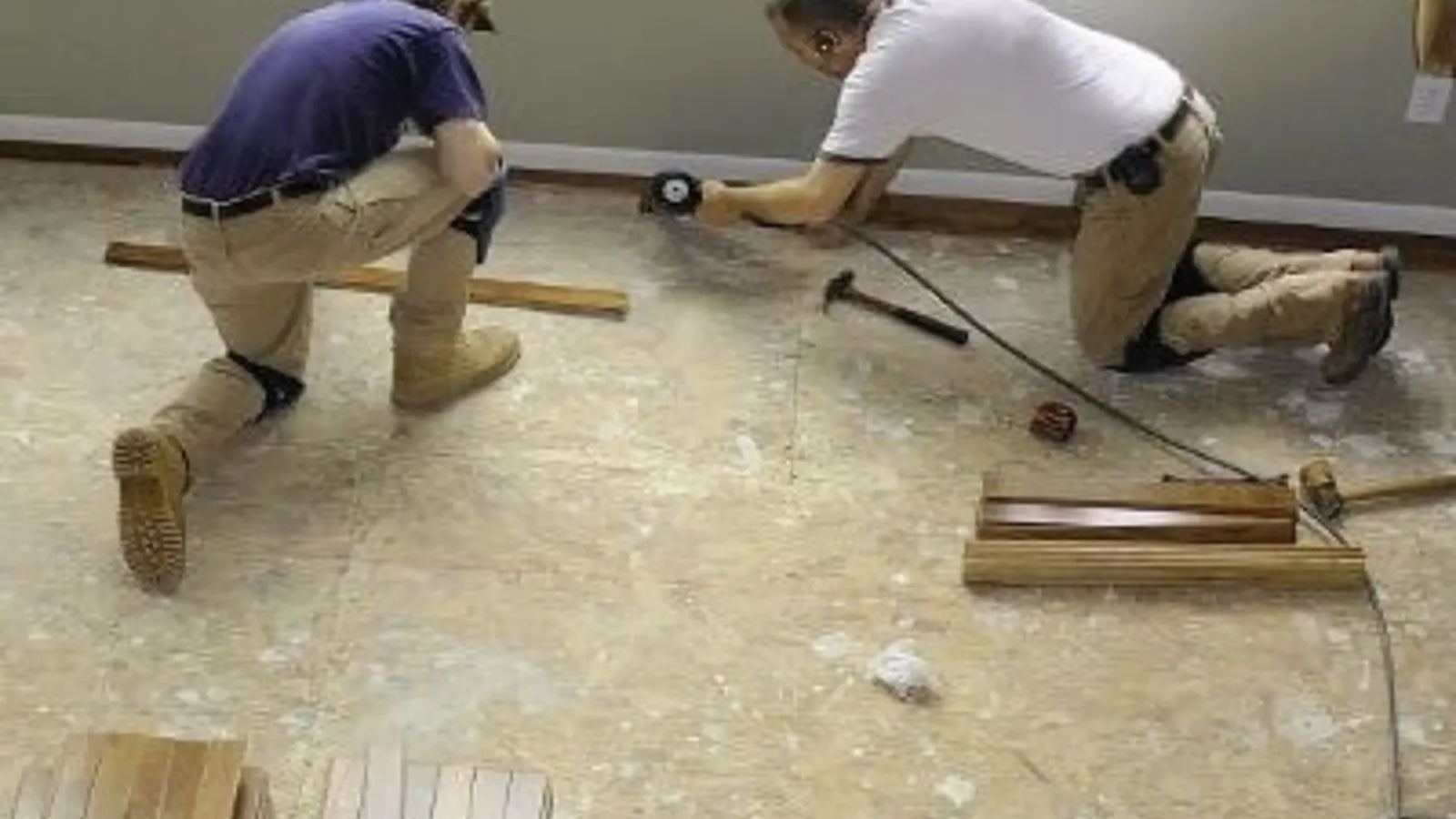
Water damage repair in Dana Point, CA is the rebuild phase. After the leak is fixed and the structure is dried, damaged drywall, insulation, flooring, trim, paint and cabinets are replaced or restored so the rooms look the way they did before. Our line is open 24/7 for the emergency work that comes before, and same-day response is offered when crews are available.
Repair is a separate scope from drying. If moisture readings are still high, rebuilding hides a problem instead of solving it, which is why a site that was never dried properly often comes back with a stain or a smell. If that is your situation, water mitigation comes first.
The Rebuild Starts When Drying Ends
A repair crew checks moisture readings before closing any wall. Framing and subfloor should read dry, and the source should be fixed. Only then does new drywall go up, followed by texture, primer and paint. Skipping the readings is the most common reason a patch fails.
Finish choices change the scope a great deal. Replacing a stained ceiling section is a small job. Replacing flooring across three rooms, matching baseboard and repainting full walls so the color blends is a larger one. The scope is explained before work starts, and you choose how closely to match.
Ceiling and Wall Water Damage Repair
A brown stain on a ceiling means water reached the drywall from above, usually from a roof leak, an upstairs bath or a pipe. A sagging ceiling holds water and needs to be opened safely, since the weight can fall without warning. Walls show bubbling paint, soft baseboards or a stain that grows each time it rains or a fixture runs.
The repair has four parts: find and fix the source, remove the damaged board and insulation, dry the cavity, then patch, texture and paint. A stain primer is used so the old mark does not bleed through. When a stain returns after painting, the cause is usually moisture that was never removed or a leak that is still active.
Hardwood Floor Cupping and Flooring Repair
Cupping happens when the edges of boards absorb water and rise higher than the center. Sometimes the floor flattens as it dries, and sometimes it needs sanding or replacement. The call is made after moisture readings are stable, since sanding a floor that is still wet can lock in the damage.
Patch or Replace?
| Damage | Often | Check first |
|---|---|---|
| Small ceiling stain, dry | Seal, prime and paint | Source fixed and readings dry |
| Sagging or bubbling ceiling | Replace the section | Cavity dried and safe to open |
| Swollen baseboard | Replace | Wall behind it dry |
| Bubbled laminate | Replace planks | Subfloor dry |
| Cupped hardwood | Wait, then sand or replace | Stable moisture readings |
| Swollen cabinet base | Replace toe kick or cabinet | Adjacent wall dry |
The crew shows you the readings behind each recommendation.
Permits, Contractors and Contracts in Dana Point
The City of Dana Point says it requires permits for almost all construction. Its Help for Homeowners page says finish work such as painting and carpeting is exempt only when no electrical, plumbing or mechanical work is involved, and that separate plumbing, electrical and mechanical permits apply to exempted work that includes them. Permit rules vary by project, so ask the city building department before work begins.
The California Contractors State License Board says a license is required for work costing $1,000 or more in labor and materials, and it advises homeowners to check any license on its website. It also advises paying no more than 10 percent down or $1,000, whichever is less, and getting a detailed written contract. Those are good questions to ask any company quoting repair work.
Ready to Rebuild?
Call to talk through scope, finishes and how the repair follows the drying.
What to Do Before Repairs Begin
- Confirm the leak is fixed and the plumber or roofer has signed off.
- Ask for the final moisture readings from the drying stage.
- Do not paint or close walls over damp materials.
- Keep photos, receipts and the written scope together for your insurer.
- Ask the city whether the work needs a permit before anyone starts.
Readings and drying targets come from the ANSI/IICRC S500 water damage restoration standard, which is the industry reference for when a structure is considered dry.
What Drives the Cost of Water Damage Repair
Repair cost follows the area rebuilt, the materials chosen, how well finishes must match, whether the structure needed more than drywall and the number of trades involved. Scope and price are explained before work starts, and no responsible number exists until the rooms have been seen.
Sudden and accidental water damage is often covered by homeowners insurance, gradual leaks often are not and floods usually need separate coverage. Ask your insurer what it needs and keep the written scope. If you see dark spots on a wall that stayed damp, ask about mold remediation, and for emergency drying after a new leak, see water damage cleanup. The crews also serve Laguna Beach.
Frequently Asked Questions
How soon after drying can repairs start?
Repairs start when moisture readings show framing, subfloor and walls are dry and the source is fixed. For many jobs that is several days after drying begins, but readings decide, not the calendar.
Do I need a permit for water damage repair in Dana Point?
The city requires permits for almost all construction, and finish work is exempt only when no electrical, plumbing or mechanical work is involved. Ask the city building department about your project.
Why did the stain come back after painting?
Usually the moisture was never fully removed or the leak is still active. Primer can hide a stain, but it cannot dry a wet wall. Moisture readings find the difference.
Can you match my existing paint and texture?
Matching is attempted and is often close. Exact matches depend on age, sheen and texture, and painting a full wall to the corner makes differences less visible.
Do you repair the roof or the plumbing that caused the leak?
Roofing and plumbing are separate trades. The crew will tell you when one is needed and will not rebuild over an active leak.
Do you handle emergencies before the repair?
Yes. The 24/7 line covers emergency extraction and drying, and repair follows once the structure is dry.