
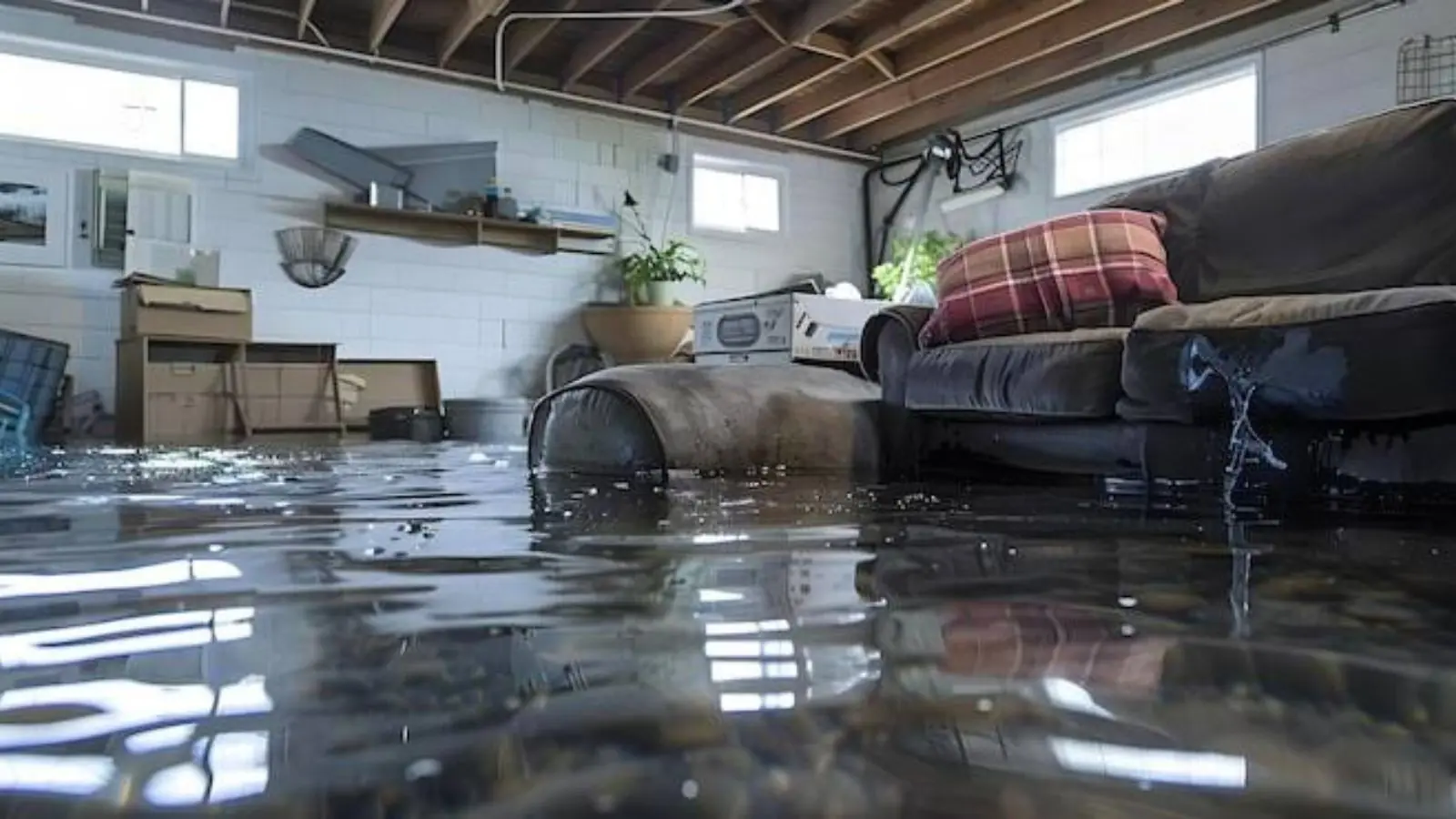
People use the words flood and water damage as if they mean the same thing. In insurance and in restoration, they do not. Water damage usually means water from inside the home, such as a pipe, appliance or roof leak. A flood means water that arrives from outside, such as rain runoff, tidal surge or an overflowing creek.
The distinction matters for two reasons. The cleanup is different, because outside water is treated as contaminated. And coverage is different, because standard homeowners policies usually exclude flood. This guide explains both for Dana Point homeowners.
How the Cleanup Differs
Water from a supply line starts out clean, and fast extraction can save many materials. Floodwater is treated as contaminated because it crosses streets, soil and drains before it reaches you. That means more material removed, more cleaning and more protective gear. Flood damage restoration is built for that work, while water mitigation is built for internal sources.
Sewage backups fall in the flood-like category too, even though the water comes from inside the drain system. The contamination is what drives the approach.
| Question | Water damage from a pipe | Flood from outside |
|---|---|---|
| Where it starts | Inside the home | Outside, then enters |
| Typical water category | Clean at first | Contaminated |
| What often gets removed | Wet materials that cannot dry | More porous materials, plus mud and debris |
| Standard homeowners coverage | Often covered if sudden | Usually excluded |
| Separate coverage | Not needed for sudden pipe loss | Flood policy is separate |
Policies differ. Read yours and ask your insurer.
How to Check Your Flood Zone
Use FEMA's Flood Map Service Center. Enter your address and the map shows whether the property sits in a mapped flood zone. Your lender may require flood coverage if it does, and even outside the mapped zones, you may want it. Most flood policies have a waiting period before they take effect, so buying one after a storm is forecast is usually too late.
Zones are not the whole story. A home outside a mapped zone can still get water from a street or a failed drain, and a home inside one may never have flooded. Treat the map as a starting point for a conversation with your agent.
Flooded or Just Leaking?
Call and describe where the water came from. Dispatch will give safety steps.
What the City Says About Local Risk
The City of Dana Point's flood hazard page says the city has inherent flood risk because of its location on the Pacific. It names high tides, storm surge and heavy rainfall as events that can make flooding worse, and it notes that rising sea levels increase the threat. It points residents to FEMA's Flood Map Service Center and advises learning evacuation routes and keeping an emergency kit.
Dana Point covers about 6.75 square miles, with the harbor, beaches and bluffs all within a short distance of the coast. That compact coastal geography is why tide and surge events and creek-side flooding on the eastern edge are different questions for different streets.
Source type: City of Dana Point local hazard information, flood page, and public encyclopedia entry.
What Homeowners Policies Usually Cover
Most policies cover sudden and accidental discharge of water from plumbing and appliances. They often exclude flood, surface water, seepage and earth movement. Sewer backup is sometimes an optional endorsement. Policies vary, so ask your agent directly instead of assuming.
A few questions worth asking: Is flood excluded? Is there an option for sewer backup? What is the deductible for each? How long is the waiting period for a flood policy? Write the answers down, since policy language is easy to misremember when a storm is near.
Common Gaps People Miss
Many homeowners assume a storm is covered when it is not, or assume a flood policy covers a pipe. Neither is true in general. Some policies exclude sump pump failure or sewer backup unless you add an endorsement. Some cap payments for personal belongings in a basement or lower level. Reading the declarations page and the exclusions saves surprises later.
What To Do After a Flood
- Stay out of moving water and away from electrical panels in wet areas.
- Call your insurer and your flood insurer if you have one.
- Photograph the water line on walls and damaged items.
- Do not run fans or the HVAC until a crew says the water is clear of contamination.
- Call the restoration line for extraction, cleaning and drying.
Planning Ahead
Planning before the rainy season is cheaper than responding after. Check your flood zone, ask about coverage, clear gutters and drains and know where your main shutoff is. Keep a folder with your policy numbers and the dispatch number. Neighbors in San Juan Capistrano and San Clemente can run the same checks.
When water does arrive, call early. Emergency water removal can begin before you sort out which policy applies, and the records the crew keeps help whichever insurer is involved.
Local Questions
Is flood damage covered by my regular homeowners policy?
Usually not. Flood is typically excluded and needs separate coverage. Sudden pipe or appliance leaks are often covered. Ask your insurer.
How do I find out if I am in a flood zone in Dana Point?
Use FEMA's Flood Map Service Center, which the city links from its flood hazard page. Enter your address to see the mapped zone.
Can I buy flood insurance during a storm warning?
Most flood policies have a waiting period, so buying when a storm is already forecast is usually too late. Ask your agent about the timing.
Is sewer backup the same as a flood?
Not exactly, but it is cleaned up as contaminated water. Coverage for sewer backup is sometimes an optional endorsement.