
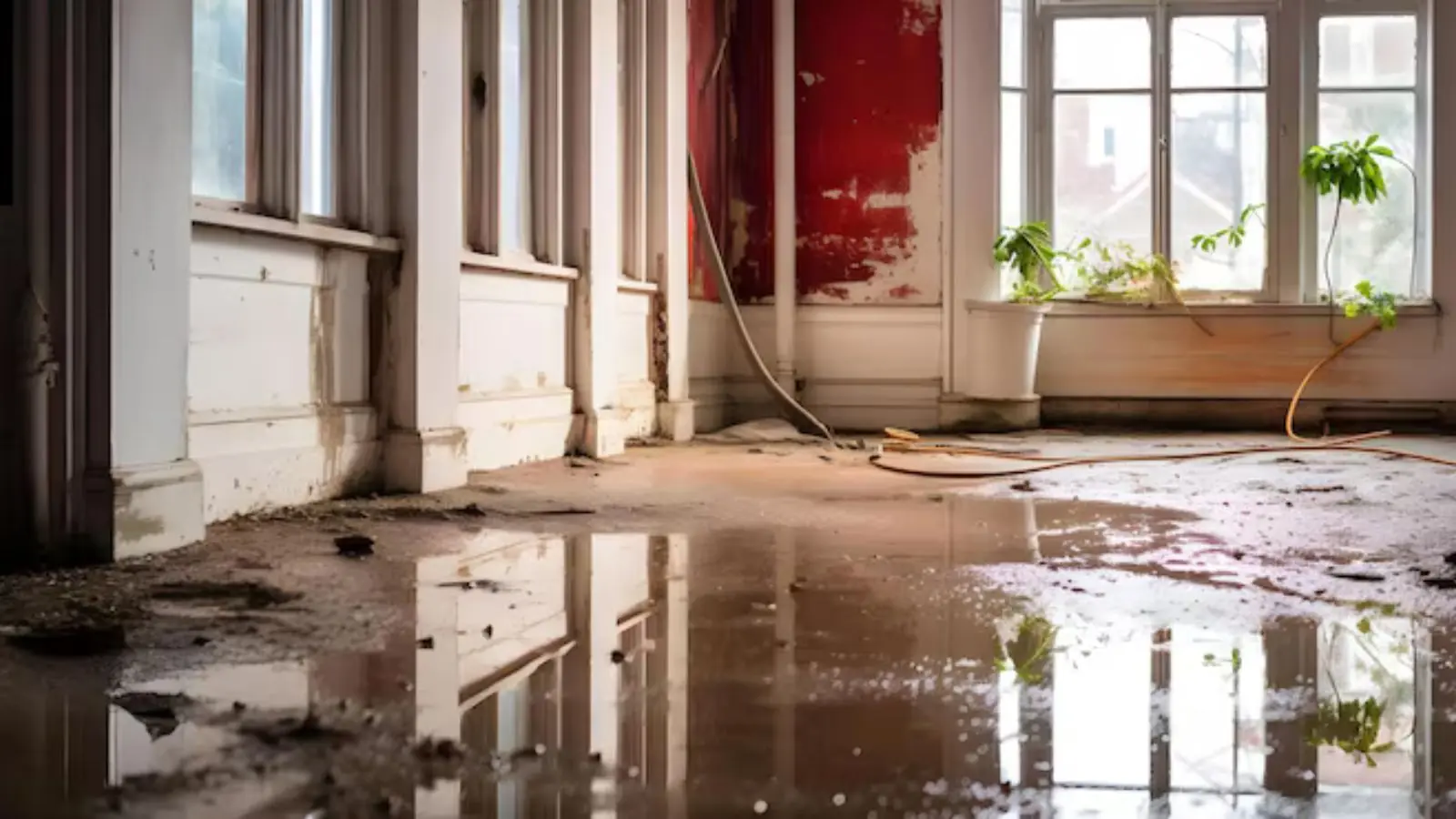
When a crew arrives, one of the first questions is where the water came from. The answer sorts it into a category, and the category changes how the job is done. The categories come from the ANSI/IICRC S500 standard for professional water damage restoration, and they are a way to describe contamination, not a rating of how bad the damage looks.
This guide explains each category in plain words, shows how water can move from one to the next and tells you what to do while you wait for a crew in Dana Point.
Category 1: Clean Water
Category 1 water comes from a sanitary source. A supply line, a faucet, a tub overflow with no contaminants or a failed water heater are typical examples. It does not carry significant contamination when it first escapes, so fast extraction and drying can often save drywall, carpet and pad.
Clean water does not stay clean forever. Left in a wall or carpet for a day or more, it picks up dust, microbes and building materials, and the category can change. That is one reason the first hours matter and why water mitigation starts quickly.
Category 2: Gray Water
Category 2 water has some contamination that could cause discomfort if people were exposed. Examples include a washing machine overflow, a dishwasher discharge or a toilet overflow with urine but no feces. Crews wear gloves and protective clothing, and porous materials such as carpet pad are more likely to be removed.
Hard surfaces can be cleaned and dried. Drywall may be saved if it was only briefly wet and can dry, but readings and judgment decide. The crew explains which materials come out and why before work starts.
Category 3: Black Water
Category 3 water is grossly contaminated. Sewage, rising floodwater from a creek or the street, and water from standing sources that have been wet long enough to support growth all fall here. Protective gear and containment are used, and porous materials that were touched are usually discarded.
If water is coming up through a floor drain, a toilet or a tub, treat it as Category 3. Stay out of it, keep children and pets away and call the line. The cleanup is not a do-it-yourself job.
| Category | Typical sources | What usually happens |
|---|---|---|
| 1, clean | Supply line, faucet, tub overflow | Extract and dry, many materials saved |
| 2, gray | Washing machine, dishwasher, some toilet overflows | Clean and dry, porous materials often removed |
| 3, black | Sewage, creek or street flooding, long-standing water | Containment, removal of porous materials, disinfection |
The category is confirmed on site, and it can change with time or exposure.
Not Sure What Kind of Water It Is?
Call and describe where it came from. Dispatch will give safety steps.
High Tides at Capistrano Beach
In late June 2021, high tides flooded part of Capistrano Beach in Dana Point, and crews placed sandbags along the shore while cleanup went on. Reports at the time said the flooding added to existing erosion problems and that repairs were expected to take months.
Seawater that enters a garage or lower level is not clean water. It carries salt, sand and bacteria, and the cleanup follows the Category 3 approach. Residents near the coast should treat any tide or storm surge water in the house as contaminated and call before they start moving things.
Source type: News report on Capistrano Beach high tide flooding, June 2021.
Why Time Changes the Category
Clean water that sits for a day or two can degrade. Gray water left in a wall can become more contaminated. The standard accounts for this because microbes grow in warm, wet materials. A burst pipe fixed within hours is a very different job from the same burst pipe discovered after a weekend away.
That is also why drying speed matters. Emergency water removal is built to pull water out before it degrades, and the structure is then dried with air movers and dehumidifiers.
What You Can Do While You Wait
- Stop the source if it is a pipe, and stay out of rising or moving water.
- Do not use household fans on contaminated water, because they can spread it.
- Keep children and pets out of the area.
- Photograph the water, the line on walls and any damaged items.
- Do not eat or handle food that touched contaminated water.
Questions to Ask a Crew About the Category
Ask what category the crew assigned and how they decided. Ask which materials will be removed because of it and which will be dried and kept. Ask what protective gear and containment they will use, and whether any step changes if the category changes during the job. A clear answer to each is a good sign that the work follows the standard.
How Categories Affect Cost and Time
Category 3 jobs usually need more labor, more disposal and more protective equipment than Category 1, and drying may take longer because more material is removed. A price cannot be responsibly quoted before someone has seen the home, and scope and price are explained before work starts.
Insurance treats sources differently too. Sudden and accidental plumbing failures are often covered, while floods usually need separate coverage. Nearby towns such as San Juan Capistrano and Laguna Beach see the same categories from different sources.
Local Questions
Is rainwater that comes through the roof clean water?
It often starts cleaner than street water, but it can pick up dust and insulation on the way through. The crew confirms the category on site.
Can gray water become black water?
Yes. Time, temperature and what the water touches can move it up a category, which is why quick extraction and drying matter.
Does seawater from a high tide count as Category 3?
It is treated as contaminated. Salt, sand and bacteria change the cleanup, so call before moving or cleaning things yourself.
Who sets the categories?
They come from the ANSI/IICRC S500 industry standard. The crew applies them on site and explains what they mean for your home.