
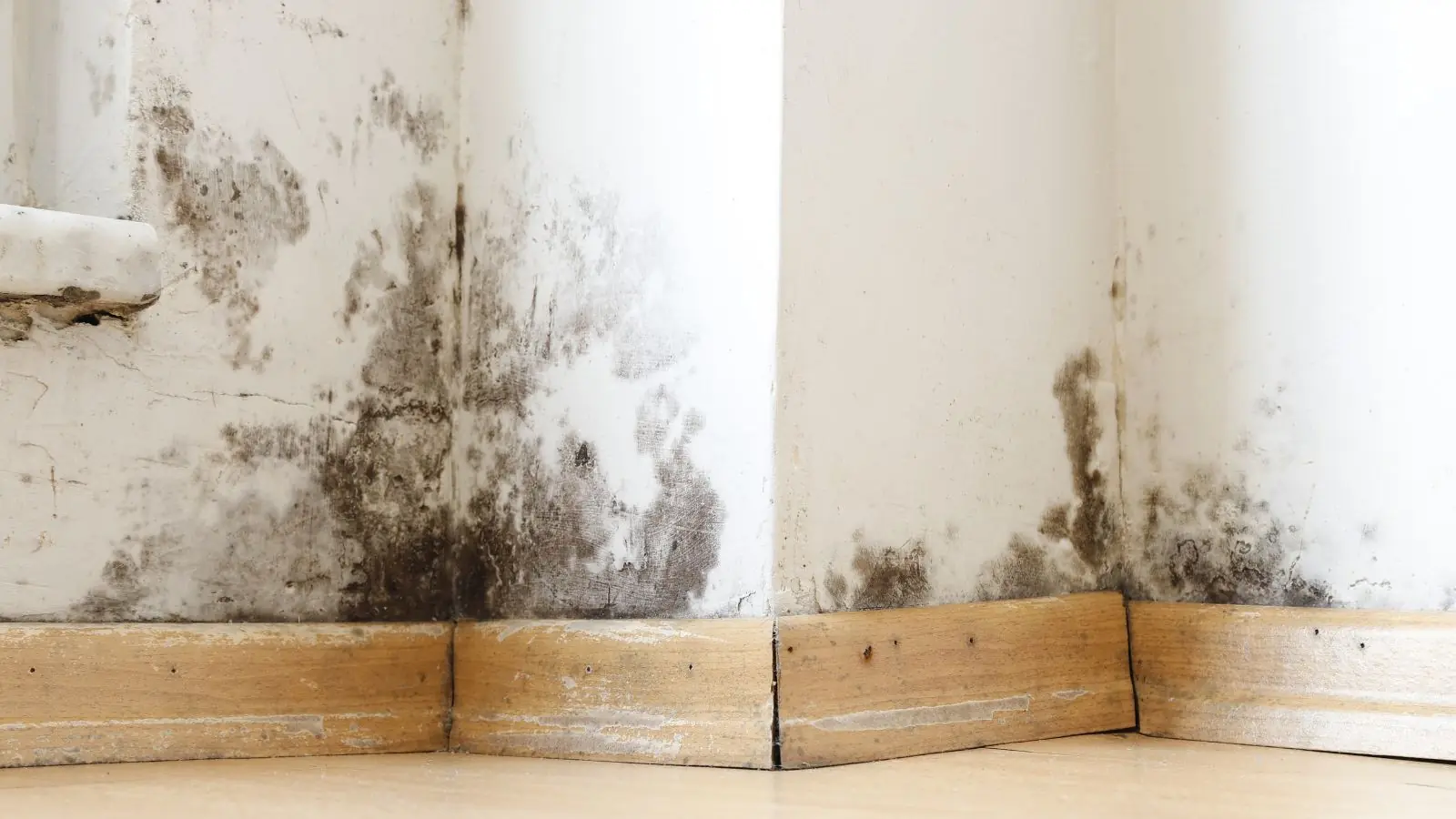
You fixed the leak, you dried what you could see and a stale, earthy smell still lingers in a closet or bathroom. That smell is a reason to look further. It does not prove a mold problem, and it does not rule one out. It tells you that something stayed damp or that a material absorbed odor.
This guide explains how to narrow down the cause, what a crew checks and when remediation makes sense. It is not medical advice, and questions about health belong with a physician.
What a Musty Smell Can Mean
Odors can come from damp drywall or carpet pad, wet insulation, a wall cavity that never dried, a slow drip under a sink or a condensate line that overflowed. They can also linger in a room where water evaporated but left residue on materials. Some smells fade after thorough drying and cleaning, and others point to a source you have not found.
Think back to when the room last got wet. If it was within the last few weeks, there may still be moisture. If it was months ago, a slow leak may have continued unseen. In both cases, moisture readings tell you more than your nose.
Where Hidden Moisture Hides
- Behind baseboards and under cabinet kickplates.
- Inside walls below bathrooms, laundry rooms and kitchens.
- Under flooring, especially laminate and vinyl over a damp subfloor.
- In attic insulation under a roof leak.
- Around air conditioner drain lines and air handlers.
Smell With No Visible Source?
Call and describe the room and when it last got wet.
How Big Is the Problem? EPA Size Guidance
The US Environmental Protection Agency's guidance sorts mold jobs by size. It describes small jobs as less than 10 square feet, medium jobs as 10 to 100 square feet and large jobs as more than 100 square feet, and says a remediation manager should be selected for medium or large jobs.
Laguna Niguel has about 64,355 residents in a city that was planned in 1959 and built out largely in the 1970s and 1980s. In houses of that age, a small damp area behind a vanity or in a hall closet can be the first sign of a supply line that has aged out, so a quick look often finds a fixable source.
Source type: US Environmental Protection Agency guidance on mold and moisture, and public encyclopedia entry for Laguna Niguel.
What a Crew Checks
A crew uses a moisture meter to read wall, floor and ceiling materials and a thermal imaging camera to find cool, wet spots. They look at the plumbing, the roof line and the HVAC for a source. If readings are high, water mitigation dries the area. If growth is visible or the smell points to it, they discuss options.
The EPA also says that in most cases mold will not grow if wet items are dried within 24 to 48 hours. That is why quick drying matters, and why a leak that sat for a week deserves a closer look.
| What you find | Likely next step | Notes |
|---|---|---|
| Smell, readings dry | Clean and deodorize, monitor | Odor may be on materials, not growth |
| Smell, readings high | Find source, dry the cavity | Fix the leak first |
| Visible dark spots, small area | Clean hard surfaces, watch moisture | Porous materials may need removal |
| Visible growth, larger area | Containment and removal | Follows the ANSI/IICRC S520 standard |
| Growth after sewage or flood | Treat as contaminated | Protective gear and disposal |
The table is general. A crew decides on site.
When Remediation Is the Right Call
Remediation is for growth that has gone beyond a small wipe-down, for porous materials that have been colonized and for areas where moisture has been present a long time. It follows mold remediation practice, with containment, removal of affected materials, cleaning with HEPA vacuums and a check afterward. The leak must be fixed first, since removal without that invites a repeat.
Small, surface spots on hard materials are sometimes cleaned by homeowners with detergent and water. If you try, wear gloves and a mask, keep the area contained and stop if it spreads. If anyone in the home is sensitive to mold, ask a physician and consider calling a crew.
What to Do Before You Call
Do not run fans toward the area, do not disturb visible growth and keep people out of the damp room. Write down when it last got wet.
How to Describe the Problem on a Call
Tell the dispatcher which room smells, when it last got wet, where the water came from and whether anyone has opened the wall. Mention any stains, soft baseboards or recent plumbing repairs. That detail lets the crew bring the right meters and plan the visit.
Insurance and Next Steps
Mold that follows a covered sudden leak may be covered, while mold from long-term leaks or neglect often is not. Ask your insurer and keep records of when the leak occurred and what was done. After drying, water damage repair restores walls and finishes. Nearby homeowners in Mission Viejo and San Juan Capistrano can ask for the same readings.
Local Questions
Does a musty smell always mean mold?
No. It can come from damp materials, residue or a hidden moisture source. Readings and a visual check show more than the smell.
How do I find hidden moisture in a Laguna Niguel home?
A crew uses moisture meters and thermal imaging to read walls, floors and ceilings and to find cool wet spots behind surfaces.
Can I clean a small spot myself?
Small surface spots on hard materials are sometimes cleaned. If the area keeps returning or grows, fix the moisture source and ask for an inspection.
How quickly should wet materials dry?
The EPA says mold will generally not grow if wet items are dried within 24 to 48 hours. Dry as soon as possible after a leak.